

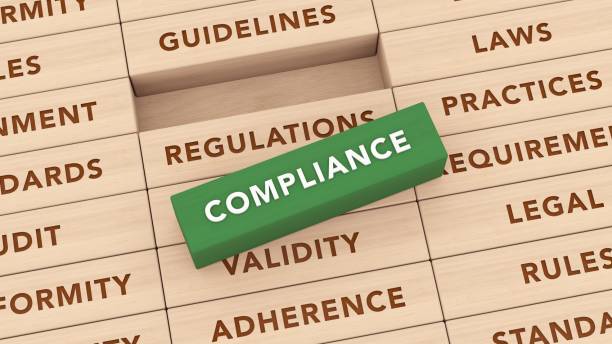
For many business owners, the word “compliance” only becomes urgent when a fine is issued, a government portal is blocked, or a client requests updated documentation. But in reality, annual compliance requirements are a structured and recurring obligation that every company operating in Saudi Arabia must take seriously.
Whether you are a local LLC, a foreign-owned subsidiary, a professional firm, or an industrial company, annual compliance is not optional. It is the foundation of operational continuity, legal protection, and financial stability.
In this guide, we explain the key annual compliance requirements for companies in Saudi Arabia, common mistakes, the financial impact of non-compliance, and how structured compliance directly strengthens contract enforceability and debt recovery.
What Are Annual Compliance Requirements?
Annual compliance requirements refer to the mandatory legal, financial, regulatory, and corporate obligations that a company must fulfill every year to remain in good standing.
These typically include:
- License renewals
- Financial reporting
- Tax filings
- Labor compliance reviews
- Corporate governance updates
- Regulatory confirmations
Failure to comply may result in penalties, service suspension, reputational damage, and weakened commercial leverage.
- Commercial Registration (CR) Renewal
Every company must ensure its Commercial Registration remains valid. The CR is issued by the Ministry of Commerce.
Annual Requirements May Include:
- Payment of renewal fees
- Updated business address confirmation
- Active Chamber of Commerce membership
- No major unresolved violations
An expired CR can block banking updates, government services, and contract validation.
- Investment License Renewal (For Foreign-Owned Companies)
Foreign investors must renew their license through the Ministry of Investment.
Typical Requirements:
- Updated financial statements
- Proof of operational activity
- Compliance with Saudization
- Valid tax registration
Failure to renew may restrict expansion or regulatory services.
- Annual Financial Statements & Corporate Records
Under Saudi Companies Law, companies are required to:
- Prepare annual financial statements
- Maintain accounting records
- Record shareholder resolutions
- Update Articles of Association if changes occur
- Document management authority
Certain entities may require audited financial statements.
Strong record-keeping is a core governance obligation.
- Tax Compliance (Annual & Periodic)
Companies must maintain compliance with the Zakat, Tax and Customs Authority (ZATCA).
This Includes:
- Annual corporate income tax or Zakat return
- VAT filings (monthly or quarterly)
- Withholding tax filings (if applicable)
- E-invoicing compliance
- Accurate bookkeeping
Late filings can result in fines and portal restrictions.
- Labor & Saudization Compliance Review
Through the Ministry of Human Resources and Social Development, companies must:
- Maintain required Saudization ratios
- Renew work permits
- Keep employment contracts updated
- Ensure wage protection system compliance
Annual workforce planning is essential to avoid Nitaqat downgrades.
- Municipality (Balady) License Renewal
Physical premises must remain compliant.
Renewal may require:
- Valid lease agreement
- Updated safety compliance
- Civil Defense inspection (if applicable)
- Zoning confirmation
Failure to maintain premises compliance can affect other licenses.
- Sector-Specific Regulatory Compliance
Companies operating in regulated industries such as:
- Engineering
- Healthcare
- Industrial production
- Financial advisory
- Education
must maintain sector-specific annual reporting and professional registration renewals.
A Practical Business Scenario
A foreign-owned trading company in Riyadh completes its first successful year.
However:
- The CR renewal was delayed by two weeks.
- VAT filing errors triggered minor penalties.
- Saudization ratio temporarily dropped below required levels.
- The municipal lease renewal was late.
Months later, when pursuing a large unpaid invoice, the debtor requests compliance documentation.
Because compliance records are inconsistent, the company faces avoidable delays during negotiation.
Annual compliance discipline strengthens payment leverage.
Common Annual Compliance Mistakes
- Waiting until deadlines approach
- Assigning compliance to untrained staff
- Poor documentation management
- Ignoring minor penalties
- Failing to update shareholder changes
- Expanding activities without amending licenses
- Lack of compliance calendar
Most compliance failures stem from lack of structure—not regulatory difficulty.
Why Annual Compliance Directly Impacts Debt Recovery
When payment disputes arise, counterparties may examine:
- Whether the company was properly licensed
- Whether invoices were tax compliant
- Whether signatories had authority
- Whether the company was operationally compliant
Strong annual compliance documentation removes technical arguments that delay recovery.
Compliance enhances enforceability.
How B2B’s Specialized Debt Collection Services Support Compliance-Based Recovery
When companies face delayed payments, B2B’s specialized debt collection services provide:
- Pre-Recovery Compliance Review
Ensuring all annual filings were properly maintained.
- Structured Documentation Preparation
Organizing CR, tax certificates, financial statements, and contracts.
- Strategic Negotiation
Presenting claims with regulatory credibility.
- Escalation Readiness
If escalation becomes necessary, compliance clarity strengthens the case.
Companies with strong annual compliance experience faster recovery outcomes.
2025 Compliance Trends in Saudi Arabia
Saudi Arabia continues to:
- Digitize renewal and reporting platforms
- Integrate government systems
- Increase automated cross-checking
- Strengthen enforcement mechanisms
- Improve transparency
Compliance oversight is becoming more precise each year.
How to Build an Annual Compliance System
To avoid risk:
- Create a centralized compliance calendar
- Assign a compliance officer or advisor
- Conduct quarterly internal reviews
- Maintain digital document archives
- Monitor Saudization monthly
- Schedule annual legal review
- Align accounting and licensing records
Compliance should be proactive—not reactive.
Annual Compliance Checklist (Quick Overview)
- Commercial Registration renewal
- Investment license renewal (if applicable)
- Financial statements preparation
- Tax return filings
- VAT compliance
- Saudization review
- Work permit renewal
- Municipality license renewal
- Sector-specific reporting
- Chamber of Commerce renewal
This checklist should be reviewed annually.
Conclusion: Annual Compliance Is a Strategic Business Shield
Annual compliance requirements are not bureaucratic formalities. They protect:
- Operational continuity
- Regulatory standing
- Banking relationships
- Contract enforceability
- Payment recovery strength
- Corporate reputation
At Setup Anywhere Law Firm, we assist businesses in structuring annual compliance frameworks tailored to their size, ownership, and industry.
And when payment disputes arise, B2B’s specialized debt collection services provide structured, confidential recovery strategies supported by strong compliance positioning.
Contact us today for a confidential consultation and ensure your annual compliance system protects your business before small oversights become costly disruptions.

